Working Principle of Long Trade:
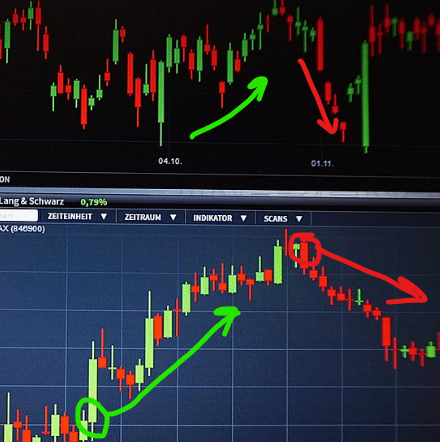
A long trade is a fundamental trading strategy where an investor buys an asset with the expectation that its price will increase over time. The goal is to sell the asset at a higher price than the purchase price, thereby making a profit.
Breakdown of how a long trade works:
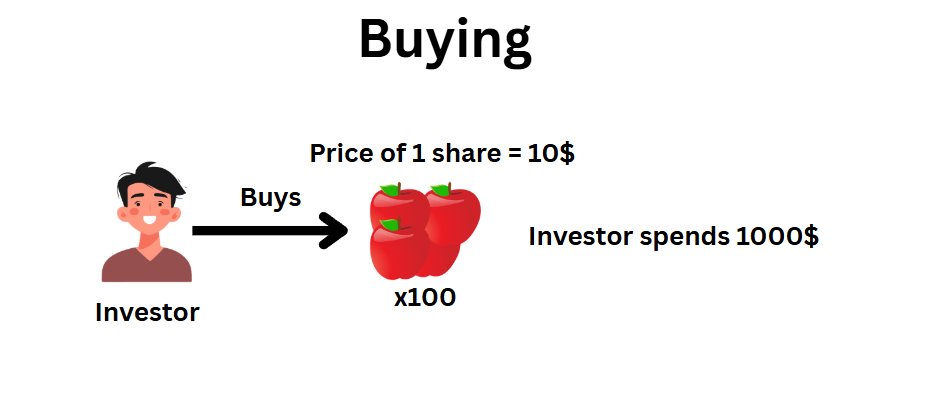
Buying the Asset: The investor identifies an asset they believe is undervalued or has the potential to increase in price. The investor then buys the stock or asset at the desired quantity at the current market price.
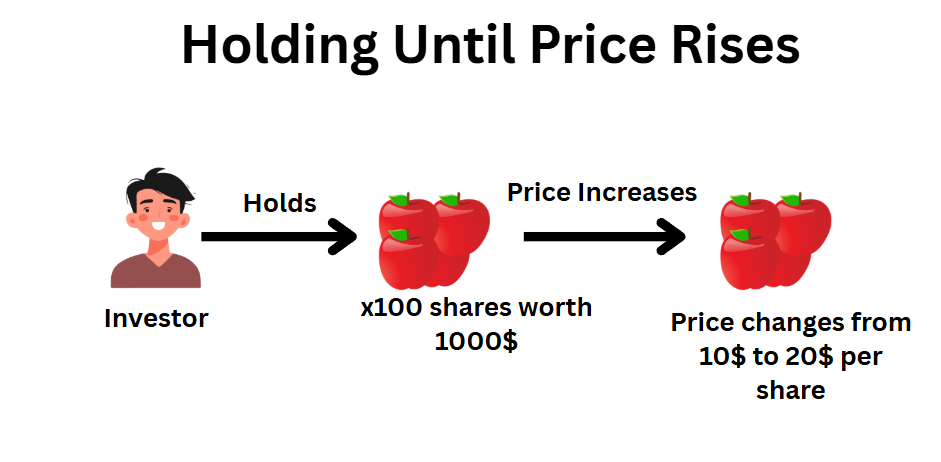
Holding the Asset: Once the purchase is complete, the investor holds the asset. The duration for which they hold it can vary significantly, from a few minutes (in very short-term trading) to many years (in long-term investing).
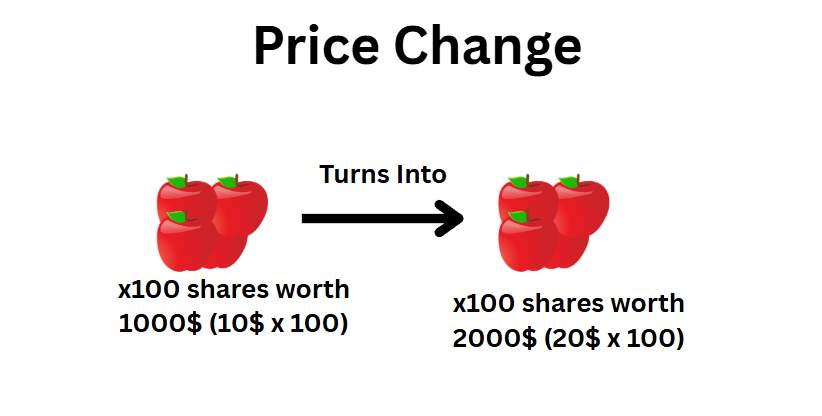
Price Appreciation: The investor waits for the market price of the asset to rise, ideally due to factors like positive company performance, increased demand, favorable economic conditions, or other relevant catalysts.
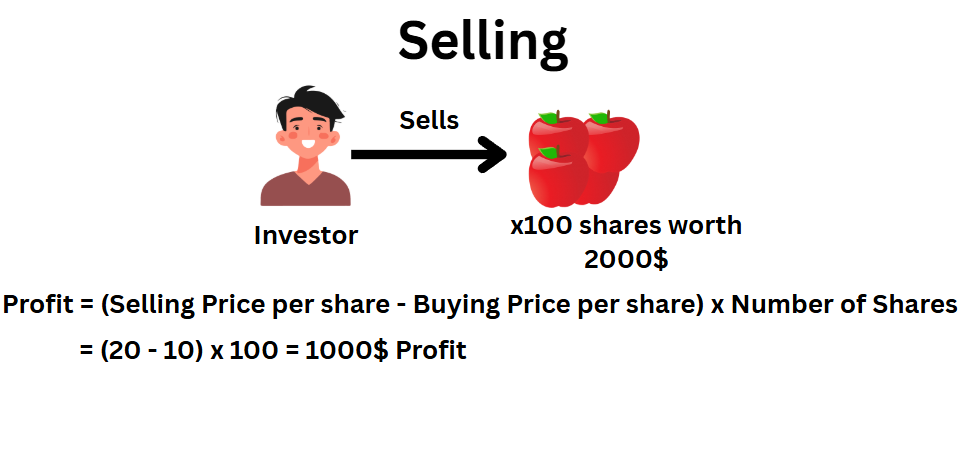
Selling the Asset: When the price reaches the investor’s target level, or if their outlook for the asset changes, they place a sell order to liquidate their position.
Profit: If the selling price is higher than the original purchase price, the investor makes a profit. The difference between the asset’s buying and selling prices, multiplied by the quantity of units sold, minus any brokerage commissions or fees, is the profit.
Loss: If the selling price is lower than the original purchase price, the investor incurs a loss. The loss is the difference between the buying price and the selling price, multiplied by the number of units, plus any commissions or fees.
Pictorial representation:
Breakdown of how a short trade works:
Borrowing Shares: The investor borrows shares of a stock they believe will decrease in value from their brokerage firm.
Selling Shares: The borrowed shares are then sold on the open market at the current market price. The investor receives cash for this sale.
Awaiting Price Decline: The investor bides their time till the stock price drops.
Repurchasing Stock (Covering): When the price reaches the target level (or if the investor want to reduce possible losses), they repurchase the same quantity of stock they originally borrowed.
Returning Shares: The investor returns the repurchased shares to the brokerage firm, closing out the loan.
Profit: The investor makes money if the price at which they repurchased the shares was less than the price at which they sold them in the first place. The difference between the cost of buying and selling minus any brokerage commissions, margin account interest, and possible borrowing costs for the shares is the profit.
Loss: If the price of the stock increases instead of decreasing, the investor will have to buy back the shares at a higher price than they sold them for, resulting in a loss.